U.S. Secretary of State Marco Rubio Warns Israel: West Bank Annexation Could Jeopardize Trump’s Gaza Peace Plan
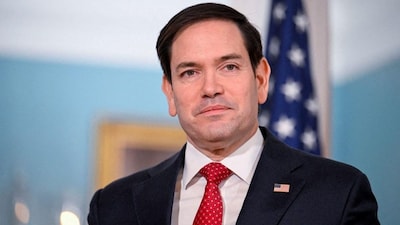
A Breakable Truce Meets a Political Storm : The breakable calm over Gaza could soon shatter again — not from rockets or airstrikes, but from politics. U.S. Secretary of State Marco Rubio has warned that Israel’s parliament’s latest moves toward annexing parts of the West Bank could erode President Donald Trump’s peace plan, a fragile initiative that has so far produced only a weak ceasefire after nearly two years of war.
Rubio’s statement had occurred at a sensitive moment when Washington is struggling to keep alive the Gaza truce and lay the groundwork for a broader regional peace framework involving Israel, the Palestinians, and key Arab states. The warning reflects deep unease within the Trump administration that Israel’s internal politics may endanger the most significant diplomatic achievement of the president’s second term to put a temporary end to the Gaza conflict.
Israel’s Controversial Vote
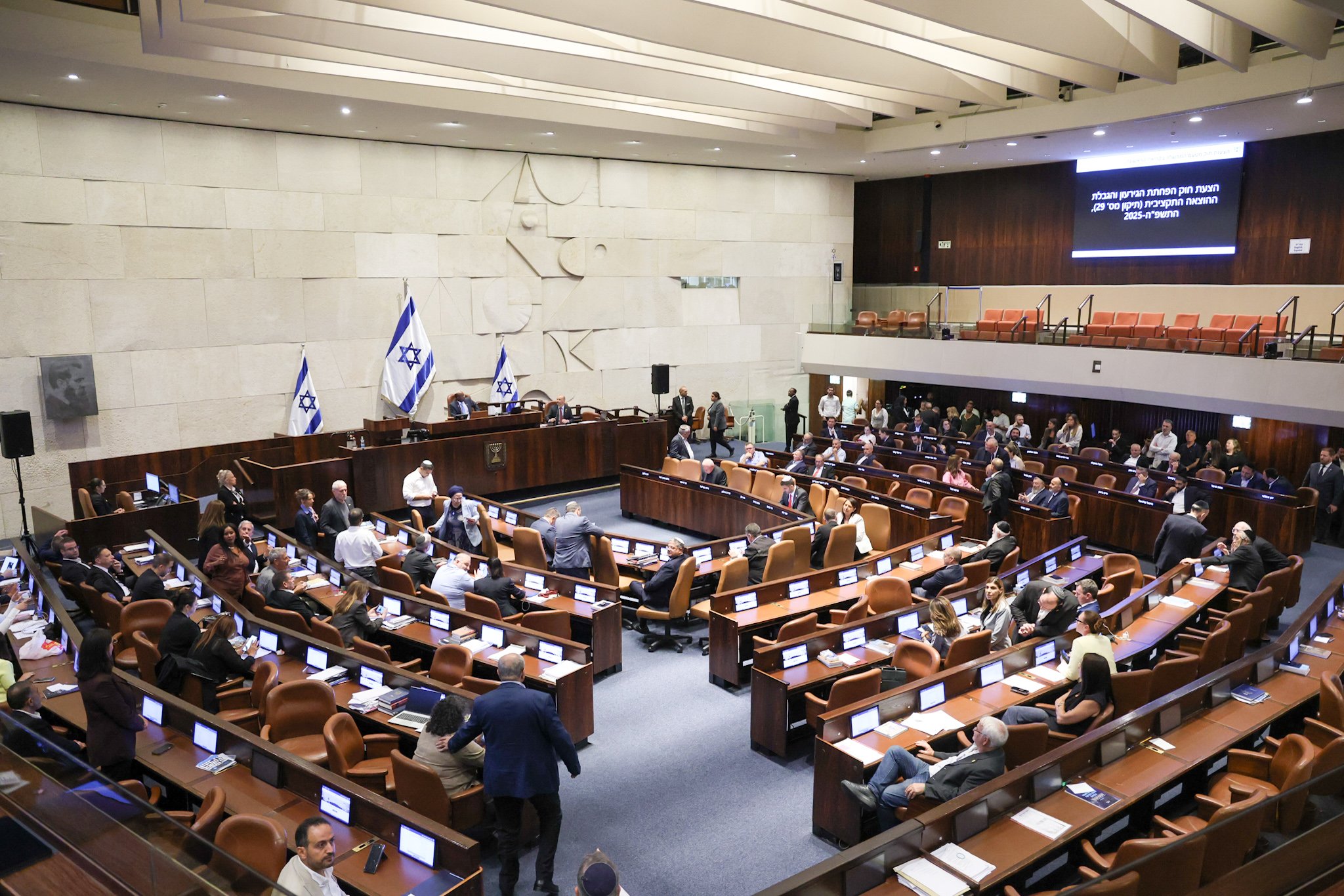
Earlier this week, the Knesset, Israel’s parliament, narrowly passed a preliminary vote on a bill that would extend Israeli civil law to large parts of the occupied West Bank this move by Israel is widely viewed as a step toward formal annexation.
The proposed legislation was introduced by members of Israel’s far-right bloc, including figures close to Finance Minister Bezalel Smotrich and National Security Minister Itamar Ben-Gvir, both of whom have long called for applying Israeli sovereignty to most of the territory captured in 1967.
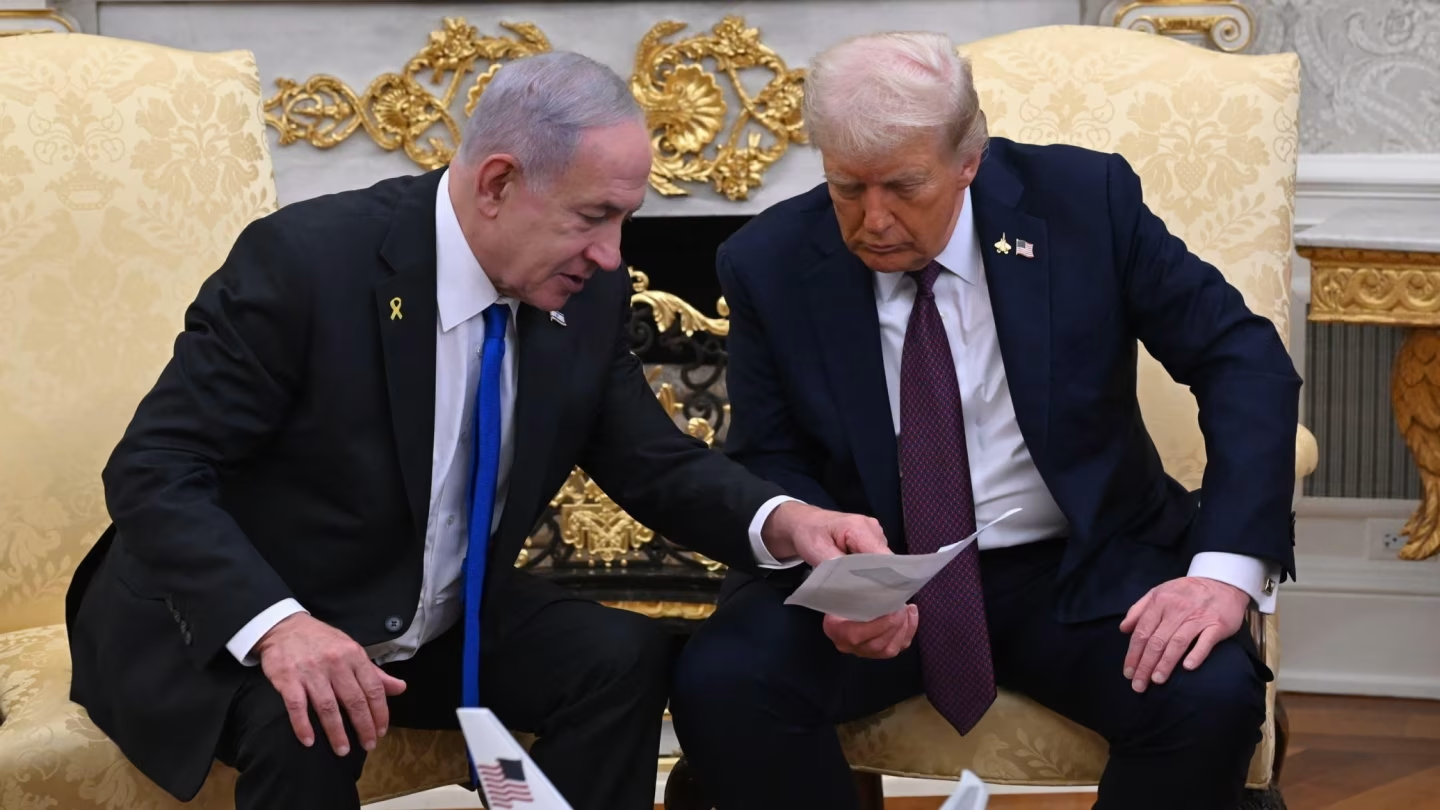
Though Prime Minister Benjamin Netanyahu did not explicitly back the bill, analysts note that allowing it to proceed had shown his willingness to relieve the nationalist elements in his weak coalition. The bill passed its first reading by a single vote which may be considered as a narrow victory that nonetheless reverberated far beyond Jerusalem.
Rubio’s Warning from Washington
At a press confrontation, before his departure to the Middle East, Secretary Marco Rubio made his explicit statement
“The president has made clear that’s not something we’d be supportive of right now, and we think it’s potentially threatening to the peace deal,” he said.
Rubio added that while Israel remains “a strong democracy with every right to debate its future,” the timing of this move was “counterproductive” given the delicate stage of post-war negotiations in Gaza.
U.S. officials said Rubio directly engaged with Israeli leaders, urging them to exercise restraint and underscoring that Washington’s tolerance for unilateral actions has its limits. His remarks were coordinated with the White House, which fears that annexation could undo months of painstaking negotiations that have brought Hamas and Israel to an uneasy peace..
The Trump Gaza Peace Plan: A Shaking Hope
The Trump Gaza Peace Plan, unveiled earlier this year, represents a high-stakes diplomatic balancing act. It seeks to transform the war-torn Gaza Strip into a neutral zone, internationally supervised territory with a transitional government drawn from non-Hamas Palestinian factions.
Key elements of the plan include:
• A phased ceasefire between Israel and Hamas, including mutual release of hostages and prisoners.
• International reconstruction efforts, with major funding expected from Gulf states such as the UAE and Saudi Arabia.
• A gradual withdrawal of Israeli ground forces from Gaza, replaced by an internationally trained Palestinian police force.
• A long-term political roadmap leading to a potential confederation between Gaza and parts of the West Bank under reformed Palestinian leadership.
The plan mainly relies on regional collaboration and both parties refraining from unilateral provocations, even though it has so far resulted in a shaky truce with regular flare-ups but no complete return of war. U.S. officials worry that annexing the West Bank might instantly compromise the plan’s legitimacy.
Why Annexation Is Seen as Dangerous
From Washington’s perspective, annexation of the West Bank presents multiple dangers:
1. It undermines Palestinian statehood.
By extending Israeli sovereignty over areas designated for a future Palestinian state, annexation would effectively kill the two-state vision still central to U.S. diplomacy.
2. It provokes Arab backlash.
The U.S. has invested heavily in building alliances with Gulf Arab states under the “Abraham Accords 2.0” framework. These nations have made clear that annexation would cross a red line and could lead them to suspend cooperation.
3. It fuels extremism.
A unilateral annexation would likely trigger new violence in the West Bank and possibly Gaza, giving hardliners within Hamas and Islamic Jihad justification to resume attacks.
4. It isolates the U.S. diplomatically.
If Washington fails to restrain Israel, European allies and Arab partners may accuse the Trump administration of complicity, weakening U.S. credibility in international peace efforts.
Therefore, Rubio’s warning reflects strategic urgency and is not only oratory. He declared, “We’ve put in too much effort to stabilize Gaza to watch it all fall apart due to political brinkmanship elsewhere.”

Israel’s Political Dilemma
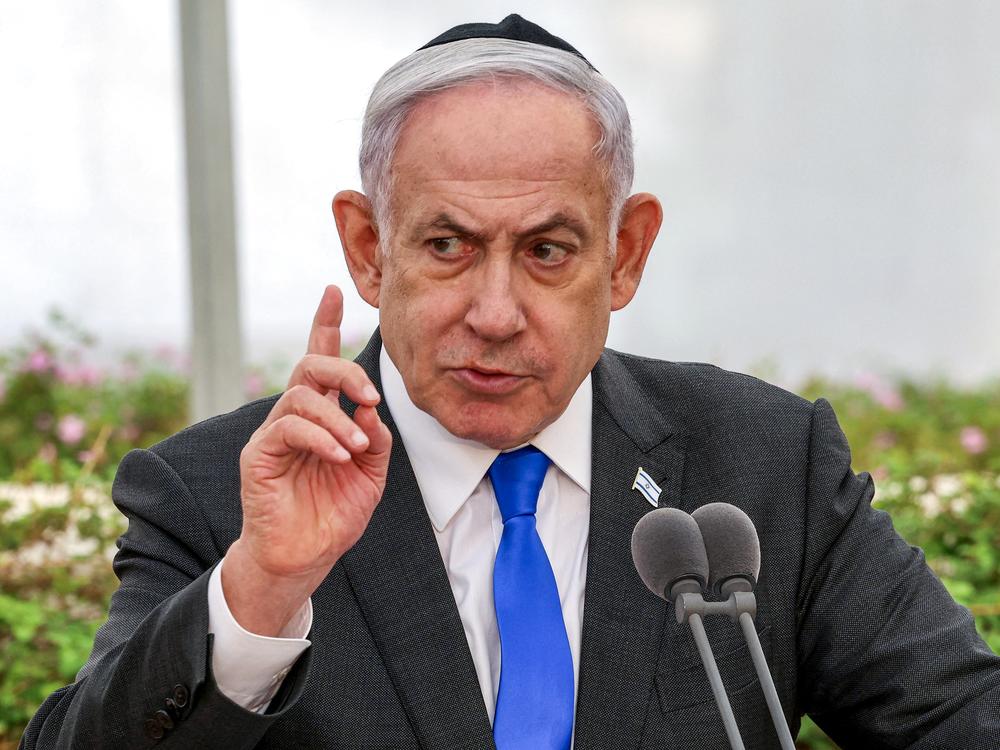
The annexation controversy is a test of Prime Minister Netanyahu’s relationship with Washington as much as a domestic issue. In the face of pressure from settler organizations and far-right ministers, Netanyahu has attempted to balance keeping U.S. backing with appeasing his coalition.
Netanyahu’s office staff privately acknowledge that the government is unlikely to move forward with full annexation right away. Allowing the preliminary vote to proceed, however, was perceived as a symbolic pact with the right-wing base that sustains his coalition.
Additionally, the action is indicative of a larger ideological change in Israeli politics. Due to years of bloodshed and disenchantment with Palestinian leadership, the idea of territorial compromise, which was once the cornerstone of peace efforts, has lost support among Israeli voters.
Palestinian Reaction: ‘The Final Nail in the Coffin’
Palestinian officials reacted angrily to the Knesset vote. The Palestinian Authority (PA) in Ramallah called it “the final nail in the coffin of the two-state solution.”
Hamas, meanwhile, accused Israel of “deception and hypocrisy,” claiming that while it talks peace in Gaza, it is “stealing land in the West Bank.” Palestinian civil society groups warned that annexation would formalize what they call a system of apartheid — a term Israel rejects but which has gained traction internationally.
Protests erupted in parts of the West Bank, particularly near Nablus and Hebron, where Palestinian residents clashed with Israeli settlers and security forces. Analysts warn that even symbolic annexation could spark a third intifada if not managed carefully.

Regional Consequences
The annexation debate also risks derailing the broader regional diplomacy that Washington has been painstakingly building. Arab nations that had normalized ties with Israel — such as the UAE, Bahrain, and Morocco — are under pressure from their own populations to condemn any move perceived as an affront to Palestinian sovereignty.
The Saudi government, which has cautiously supported Trump’s Gaza initiative, issued a rare statement expressing “deep concern” over the Knesset vote and warning that annexation would “threaten regional stability.”
Egypt and Jordan — two countries that already have peace treaties with Israel — have also cautioned that unilateral annexation could “collapse decades of progress.”
For the U.S., maintaining Arab support is essential not only for Gaza’s reconstruction but also for countering Iranian influence in the region. Any fracture in this fragile alignment could empower Tehran and its regional proxies, including Hezbollah and the Houthis.
Trump’s Position: A Calculated Restraint
President Donald Trump himself has publicly said he will not permit Israel to annex the West Bank during his administration.
“I will not allow Israel to annex the West Bank. It’s not going to happen,” Trump told reporters in late September.
His statement surprised some of his traditional pro-Israel supporters but underscored the pragmatic streak in his second-term foreign policy. Trump views the Gaza peace process as a potential legacy-defining achievement, akin to the 1978 Camp David Accords.
White House insiders suggest Trump’s calculus is simple: keep the Gaza truce intact long enough to produce visible reconstruction, then leverage that success into a regional summit that could include Israel, the Palestinians, and major Arab powers.
Annexation, they fear, would derail that vision before it even takes shape.
U.S. Diplomatic Moves Behind the Scenes
Following Rubio’s warning, the State Department dispatched senior envoy David Satterfield to Jerusalem for quiet talks with Israeli officials. His message reportedly echoed Rubio’s: “No annexation, not now.”
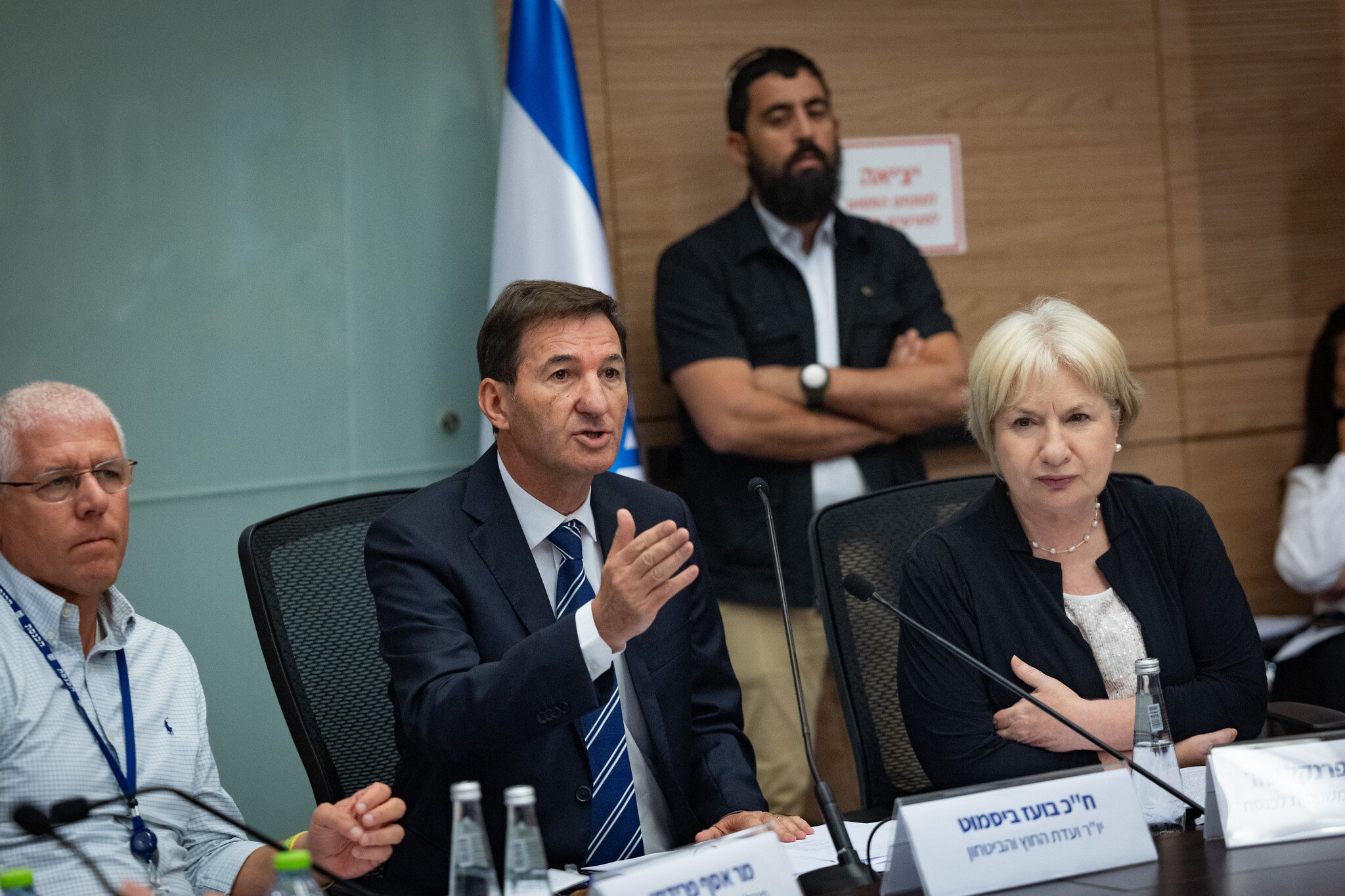
Meanwhile, U.S. National Security Advisor Robert O’Brien has been in constant contact with Gulf leaders to reassure them that Washington remains committed to a negotiated peace process.
Diplomatic sources say Washington may use leverage — including delaying certain military shipments or conditioning aid — to discourage unilateral Israeli actions. However, such measures remain politically sensitive given the strength of U.S.-Israel ties and domestic support for Israel within the U.S. Congress.
The Broader Strategic Picture
Rubio’s warning highlights a deeper shift in U.S. Middle East strategy. For decades, American diplomacy revolved around the “two-state solution.” Now, the focus has shifted to conflict management — ensuring that violence is contained and that Israel’s normalization with Arab states continues.
The Gaza war changed that calculus. The humanitarian devastation, combined with international pressure, has forced Washington to confront the political dimensions of the conflict once again. Annexation would make that task nearly impossible.
Experts note that Rubio’s statement also reflects a personal transformation: once a vocal supporter of unconditional aid to Israel, Rubio is now taking a more pragmatic, statesmanlike tone, aware that American interests require balancing friendship with realism.
Reactions from the U.S. Political Sphere
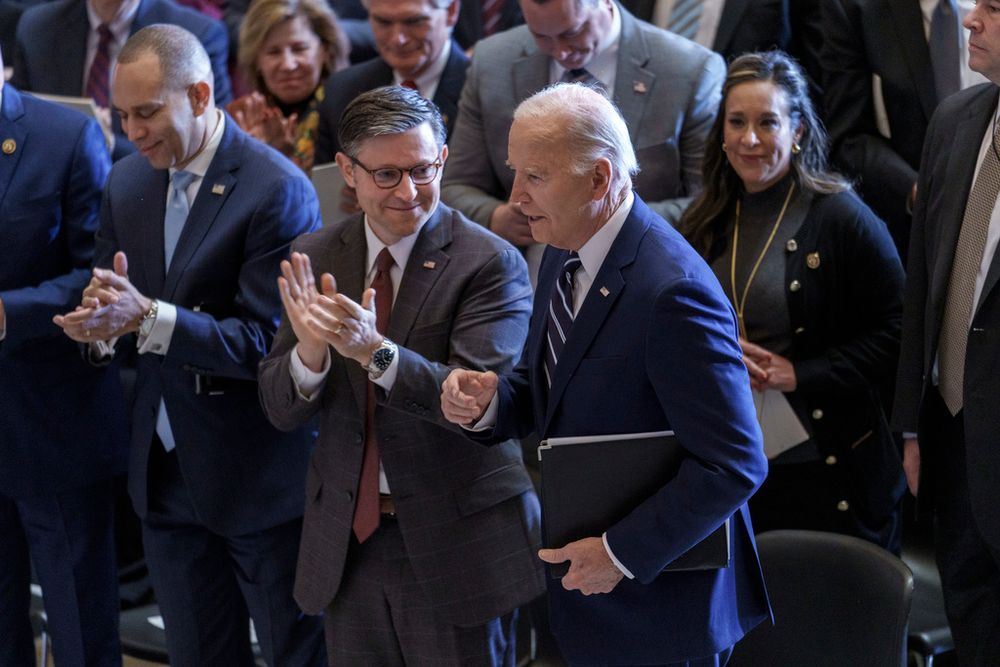
Rubio’s comments have drawn mixed reactions in Washington. Republican lawmakers largely backed his stance, framing it as consistent with Trump’s “America First” foreign policy that prioritizes stability over ideology.
However, some hardline conservatives criticized Rubio for “interfering” in Israel’s domestic affairs. Senator Tom Cotton called the warning “unnecessary,” arguing that “Israel knows how to defend itself and decide its own destiny.”
Democrats, meanwhile, cautiously welcomed Rubio’s stance, viewing it as a rare example of bipartisanship in Middle East policy.
The Risk of Escalation
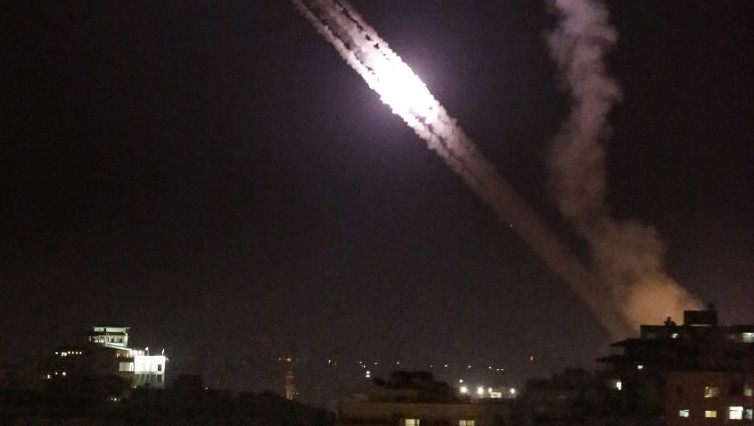
Despite the ongoing ceasefire, the situation on the ground remains volatile. Sporadic rocket fire from Gaza and retaliatory Israeli strikes continue to test the limits of the ceasefire. In the West Bank, settler violence and military raids have increased.
If annexation proceeds — even symbolically — it could ignite both territories simultaneously, leading to what one Israeli analyst described as “a two-front explosion.”
Such an escalation would devastate not only the region but also Trump’s diplomatic credibility, making it nearly impossible to claim success in ending one of the Middle East’s most enduring conflicts.
The Path Ahead
The next few weeks will be critical. The Knesset bill still requires three more readings before becoming law. U.S. officials are working to delay those votes or persuade Netanyahu to withdraw the measure altogether.
Meanwhile, Secretary Rubio is expected to visit both Jerusalem and Ramallah to hold talks with Israeli and Palestinian leaders. His goal: to keep both sides focused on Gaza’s reconstruction rather than territorial disputes.
Conclusion: A Delicate Balancing Act
The threat of annexing the West Bank looms big as the debris from Gaza is being cleared away and diplomats work to transform a ceasefire into a permanent peace. Secretary Rubio’s warning is a reflection of both American anxiety and historical awareness that politics has the potential to drag the area back into disorder each time it veers closer to peace.
For now, the Trump administration must decide whether to face its closest ally in the Middle East or watch its most ambitious peace strategy fall apart. The result will impact not only the future of Gaza and the West Bank, but also the legacy of the United States in a region it has attempted—and frequently failed—to transform.