Introduction
As 2025 approaches, the world of technology is changing dramatically due to the continuous pace of invention in the face of growing obstacles including climate change, geopolitical unrest, and ethical dilemmas in the digital sphere. The year 2025 is a turning point when artificial intelligence (AI) starts to act independently and no longer just supports human labor, changing sectors like healthcare and finance. Leading researchers claim that these changes are not isolated but rather create interconnected ecosystems that necessitate adaptive measures from individuals, governments, and corporations.
This article explores the top ten global technological trends that will shape 2025, using analysis from the World Economic Forum, McKinsey, and Gartner. These themes, which include sustainable computing, AI imperatives, and human-machine synergy, offer both tremendous possibilities and dangerous threats. For example, agentic AI poses serious concerns regarding security and governance even though it may increase productivity by generating virtual workforces. Similar to this, developments in quantum-resistant encryption safeguard the confidentiality of information in an era of exponential computing power by minimizing the dangers presented by quantum computing.
What makes these developments significant? Technology is expected to contribute more than $15 trillion to the global GDP by 2030, with much of that momentum already being built. By 2025, it will no longer be a backend facilitator but rather the primary engine of economic growth. Companies that ignore these changes run the risk of becoming obsolete, while those that embrace them proactively may be able to increase productivity, encourage creativity, and meet societal demands like sustainability. The technological story of 2025 is one of convergence—combining the digital and physical realms to create a more intuitive, effective, and just future—from neurological advancements redefining human potential to polyfunctional robots changing manufacturing. As we examine each trend, we’ll reveal its workings, ramifications, and practical future prospects, enabling readers to successfully traverse this constantly shifting environment.

1. Agentic AI: Autonomous Agents Redefining Workflows
A development beyond conventional machine learning models is agentic AI, in which AI systems actively plan, reason, and perform actions on their own to fulfill user-defined objectives in addition to generating or forecasting. Imagine an AI agent that, without the need for human involvement not only arranges your meetings but also negotiates times, creates agendas, and even monitors tasks. Improvements in large language models (LLMs) and reinforcement learning have made it possible for “agents” to deconstruct complicated goals into manageable steps, which is why this trend has been determined to be Gartner’s top strategic priority for 2025.
The effect on industries around the world is astonishing. By boosting human creativity and lightening ordinary tasks, agentic AI might create a virtual workforce in enterprise settings, that could save organizations up to 40% on their operational costs. Agents like those created by OpenAI’s replacements, for example. may handle end-to-end responses in support to clients, from problems to reimbursements, while reducing reaction times from hours to minutes. These agents may independently A/B test campaigns and optimize in real-time depending on performance data in creative sectors like marketing.
But there are numerous difficulties. In order to keep agent behaviors within moral and legal limits while minimizing unforeseen consequences like biased judgments or safety hazards, strong barriers are necessary. In order to handle fleets of these digital workers, industries need to invest in “agent management” technologies as adoption grows. Imagine extensive trials by the second half of 2025 in industries like finance and logistics, where agentic AI may be used to predict fraud or optimize supply chains. Early experimentation is essential for leaders; begin with low-risk use cases to establish credibility and improve supervision methods. Agentic AI is the creator of the autonomous businesses of the future, & more than a tool.

2. AI Governance Platforms: Ensuring Ethical AI Deployment
There has never been as much need as now for systematic monitoring as AI enters every aspect of society. Platforms for AI governance are all-encompassing solutions that oversee the operational, moral, and legal elements of AI systems from creation to discontinuation. These platforms address the diverse regulatory landscape where standards differ by region—think of the severe GDPR in Europe against the sector-specific methods in the U.S.—by enforcing policies, monitoring compliance, and providing openness into AI management.
By 2025, these tools will be essential for reducing hazards such as bias in algorithms and violations of data privacy. Companies stand to benefit much from understanding AI lifecycles since it can increase innovation, lower legal risks, and increase trust among stakeholders. IBM’s Watsonx. governance is a good example; it evaluates models for transparency and fairness and is already assisting financial firms in adapting to new international regulations. Governance systems in the healthcare industry might guarantee AI diagnostic respect to medical ethics, avoiding imbalances in the offering of care.
But there are still implementation challenges. It can take a lot of resources to connect new platforms with older systems, and the variety of legislation requires flexible frameworks. Without them, the promise of AI could destroy public trust and delay adoption, according to Gartner. Platforms with integrated auditing and simulation features should be given priority by modern companies in order to promote a culture of accountability. By the end of 2025, these tools should transform into AI “command centers,” where administrators may view real-time compliance data. In the long run, AI governance is the cornerstone of ethical and sustainable tech ecosystems that put human values first despite increasing automation; it is not just a checkbox.

3. Disinformation Security: Battling the Information terrorism
Disinformation security appears as a defensive barrier in an era of disinformation and AI-generated narratives, methodically confirming trust across digital conversations. In order to identify and eliminate misleading information at broad levels, this movement incorporates technology such as blockchain-verified content, AI-driven fact-checking, and customizable risk models. In high-risk areas like elections and company interactions, Gartner’s methodology presents it as a preventive defense against fraud, account takeovers, and character damage.
The effects are profound on a worldwide scale. Tools like NewsGuard’s might watermark authentic material for news organizations, reducing the amount of false information that travels during emergencies by 30%. Constant risk scoring in e-commerce protects billions of transactions by thwarting phishing attempts. Applications in the real world are already readily apparent: platforms such as Meta included misinformation filters to prevent viral frauds during the global outbreaks of 2024.
Among the difficulties are the necessity for multilayered, adaptive defenses and the arms race with exceptionally capable enemies. Consent-driven designs are necessary because extensive monitoring creates concerns regarding privacy. Integrating with outside information will improve detection as 2025 evolves, leading to “trust fabrics” that seamlessly authenticate interactions. To strengthen adaptability, organizations need to take a team-oriented approach that combines technology with human oversight. In a world that is becoming more interconnected, disinformation security is not just protective; it is the defender of truth, making sure that technology enhances clarity rather than disruption.



4. Post-Quantum Cryptography: Securing Data Against Quantum Threats
The development of quantum computing offers a danger to current encryption methods, making the protections in place useless. This is countered by post-quantum cryptography (PQC), a form of algorithms that are resistant to quantum threats, like NIST-approved hash-based or lattice-derived schemes. PQC requires a technological redesign as a key 2025 trend to safeguard private information against “collect it immediately, decrypt later” threats.
The sectors that are most impacted are those that require long-term confidentiality, such as banking, defense, and medicines. Strong supply chains and secure communications are among the advantages; for example, Google’s Chrome PQC testing has already contributed to web security. It could protect genomic data from future intrusions in the healthcare industry, enabling advancements in customized therapy without compromising security.
Methods require code rewrites and performance alterations, thus migration pains are real. Gartner acknowledges the need for testing and immediate costs, but delays increase the danger of disastrous exposures. By 2025, governments will demand compliance with hybrid crypto systems that combine classical and quantum-safe methods. Businesses should pilot PQC in non-critical areas and audit weaknesses immediately. This tendency emphasizes a timeless truth: security must advance technology rather than lag in order to maintain the integrity of the digital economy.
5. Ambient Invisible Intelligence: Seamless Environmental Integration
The days of expensive wearables are behind; pervasive invisible intelligence integrates sensors and artificial intelligence (AI) into commonplace objects, such as walls, furniture, and automobiles, to enable natural, unnoticeable interactions. In order to develop “smart spaces” that anticipate requirements, such as a kitchen that modifies recipes based on cupboard inspection or offices that optimize brightness for efficiency, this movement makes use of IoT, edge computing, and energy-efficient processing units.
Worldwide implementation offers efficiency gains: Amazon’s ambient warehouses showcase how real-time asset monitoring may reduce logistics waste by 25%. It lowers emissions in urban planning by enabling “invisible cities” with automated traffic control. Privacy is an important issue; in order to prevent monitoring futuristic worlds, consent processes and refusals are essential.
Gartner predicts that by 2025, contextual technology will be widely used in commercial and healthcare to seamlessly modify experiences. Interoperable standards are necessary to overcome issues like data barriers. In order to design for amplification rather than interference, innovators must strike a balance between ethics and smoothness. Ambient intelligence indicates a time when technology will become less important and people will be able to focus on what really matters.

6. Energy-Efficient Computing: Greening the Digital Footprint
Data centers uses as much energy as whole countries, so we need a big change to make computing more energy-efficient. To make computing more energy efficient we mean using eco-friendly designs, smarter software, and hardware powered by renewable energy. These changes help meet environmental goals and reduce tech’s impact on the planet,, as the need for green energy grows.
This energy saving process is having twofold bednifits which are simply money saving & meeting regulations. Big tech companies like Microsoft are elevating towards liquid-cooled chips thus enhancing there efficiency by 40%. Also for smaller devices they have shifted to neuromorphic chips which gives a human brain performance, these neuromorphic chips make batteries last longer in IoT systems.
Gartner had earlier predicted that moving to new systems and a lack of skilled workers could cause difficulties, including short-term energy price spikes. He also said that by 2025, quantum-inspired techniques will help create “green AI” that trains more efficiently. So to become more energy efficient in tech companies should check which systems use the most power and team up with eco-friendly cloud providers. This isn’t just a choice—it’s essential for a sustainable digital future.

7. Hybrid Computing: Fusing Paradigms for Breakthroughs
Hybrid computing that works on the principle of combining classical, quantum, neuromorphic, and biological systems. With hybrid computing we can solve unsolvable issues like drug development and climate prediction. This combination produces flexible platforms where AI simulations speed up, for example, by quantum accelerators.
These accelerators have impacts which extend beyond R&D acceleration as development timeframes for pharmaceutical companies might be reduced almost half. Talent shortages and integration costs are hurdles but Gartner’s idea of “autonomous businesses” is seductive.
Pilots for portfolio optimization in finance will multiply by 2025. The recommendation is to spend money on modular infrastructures to achieve scalable coorporation.

8. Spatial Computing: Bridging Real and Virtual Realms
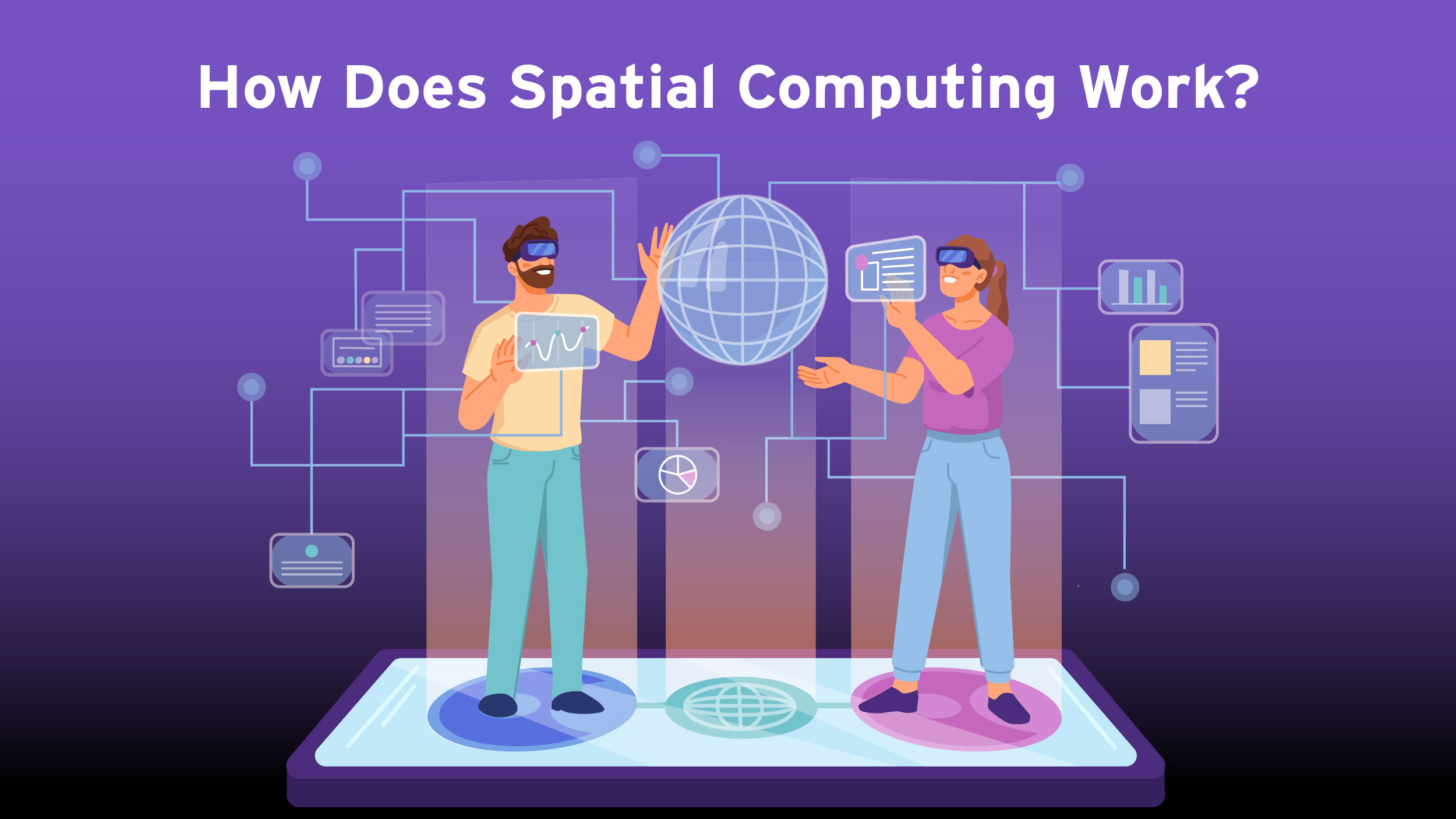
Spatial computing creates interactive hybrids for design, training, and collaboration by applying digital aspects onto the real environment using AR and VR. This is demonstrated by Apple’s Vision Pro, which turns remote work into virtual meetings.
Precision simulations help industries like manufacturing reduce errors by half. Hardware redundancy and ongoing privacy risks are drawbacks.
Mass enterprise adoption with metaverse evolutions is predicted for 2025. Firms shall adopt it for innovative experiences.
9. Polyfunctional Robots: Versatile Automation Allies
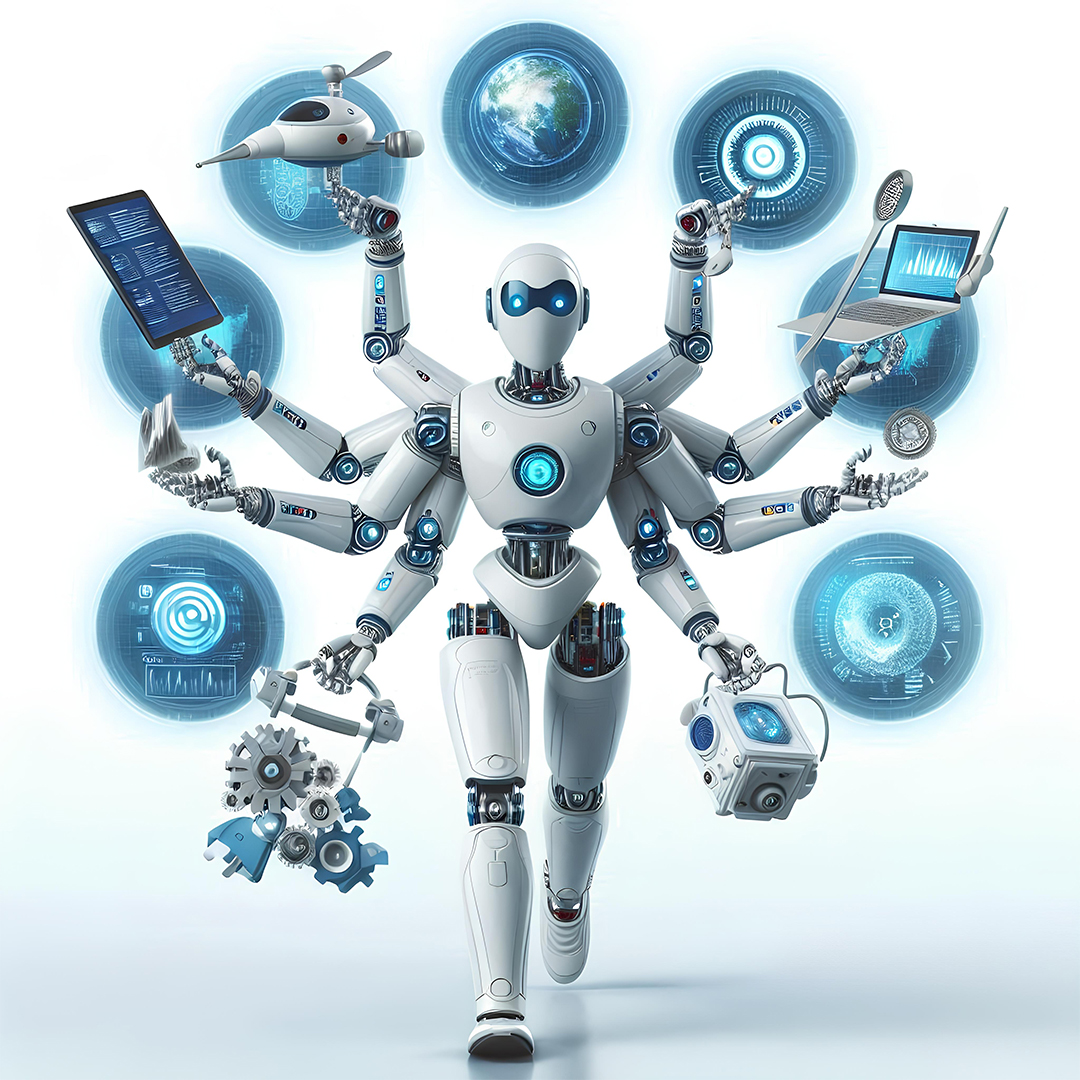
Polyfunctional robots effortlessly switch between tasks, from assembly to inspection, without the need for reconfiguration. Boston Dynamics’ models demonstrate flexibility in warehouses, increasing efficiency and ROI while lagging behind standardization. By 2025, they will help address labor shortages in aging societies and strategically set up for flexible factories.
10. Neurological Enhancement: Unlocking Brain Potential
Through harmless BCIs like Neuralink’s telepathy, neurological upgrades connect brains with technology to improve cognition.
Applications include prosthesis and improved learning. Security and ethics require careful investigation.
Trials in 2025 will reshape humanity; proceed with awareness.
Conclusion
In conclusion we can say that these essential and latest trends of 2025 blend opportunity and caution, mixing AI’s growing independence with ethical needs and sustainable tech with computing challenges. From AI agents working like virtual teams to brain-inspired tech pushing new boundaries, these trends will boost economies but challenge society.