(The “Content Remix” Strategy)
A few months ago, I uploaded a 10-minute YouTube video about AI productivity tools. I expected a few views, maybe a comment or two. That’s the normal life cycle of most content online.
But while reviewing the transcript later, something clicked.
Inside that single video were at least fifteen different ideas—stories, tips, frameworks, and quick lessons that could easily stand on their own.
That moment is when I started seriously experimenting with what I now call The “Content Remix” Strategy.
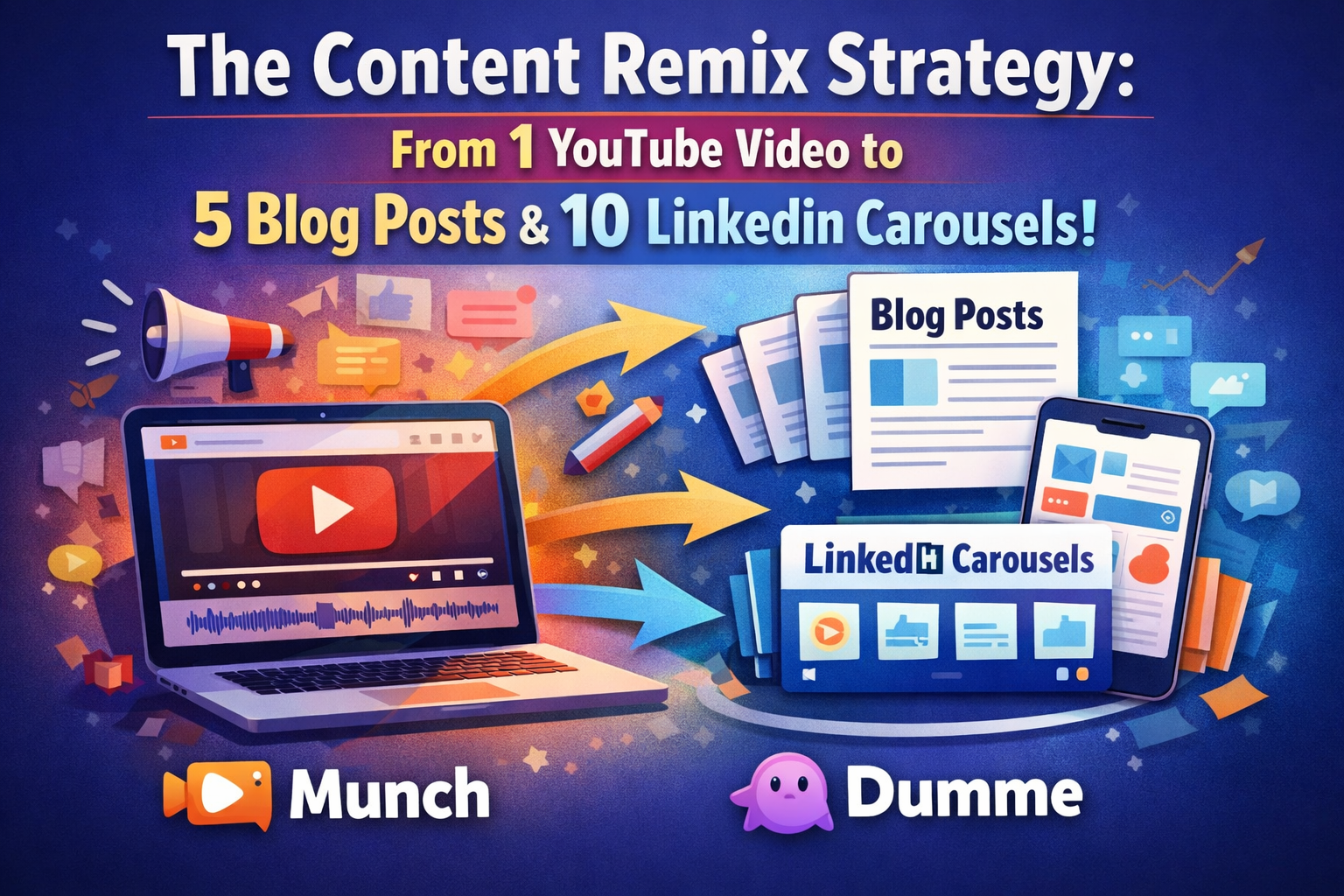
Instead of treating one video as one piece of content, I began treating it as raw material. With tools like Munch and Dumme, I turned that single 10-minute recording into:
- 5 SEO-ready blog posts
- 10 LinkedIn carousel posts
- multiple short video clips
The interesting part? The entire process took less time than creating a brand-new piece of content from scratch.
If you’re a creator, marketer, founder, or even a solo blogger, this approach can completely change how you publish online.
Let me show you exactly how it works.
The Problem Every Creator Faces: One Video, Too Little Reach
Here’s a frustrating reality most creators quietly deal with.
You spend hours researching, recording, editing, and publishing a YouTube video.
Then… it reaches only a fraction of your audience.
Meanwhile, platforms like LinkedIn, Google, and Instagram reward consistent multi-format publishing. If you’re only posting in one format, you’re leaving a lot of attention on the table.
I realized this the hard way.
One afternoon I checked analytics for a video I had worked on all morning. The engagement was decent, but something bothered me. The video contained so many ideas that would work perfectly as blog posts or LinkedIn insights.
Yet they were stuck inside a single video file.
That’s when the concept of The Content Remix Strategy started to make sense.
What Is the “Content Remix” Strategy?
The idea is surprisingly simple.
Instead of creating brand-new content every time, you break one core piece of content into multiple smaller assets.
Think of it like this:
One piece of core content → many distribution formats.
A single YouTube video often contains:
- several tips
- multiple storytelling moments
- a framework or process
- examples or case studies
Each of those can become its own piece of content.
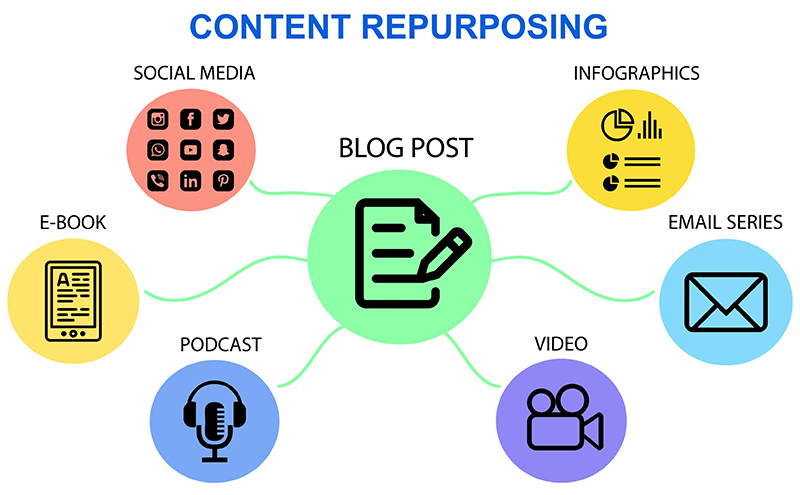
With the remix approach, that same 10-minute video can easily transform into:
- 5 blog posts
- 10 LinkedIn carousels
- several short-form clips
- newsletter ideas
- tweet threads
Why this works so well:
- It maximizes reach across platforms
- It saves time compared to creating new content
- It improves your SEO footprint
- It builds authority around a topic
Instead of producing more content, you simply extract more value from what you already made.
The Tools That Make It Possible: Munch vs Dumme
Repurposing used to be slow. You had to manually watch videos, take notes, cut clips, and rewrite everything.
Today, tools like Munch and Dumme automate much of that process.
I tested both while experimenting with my own videos.
Each has its strengths.
What Munch Does Best
Munch is built for finding viral moments inside longer videos.
When you upload a video, the system analyzes the content and identifies segments that are likely to perform well on social platforms.
What I noticed while using it:
- It highlights high-engagement segments
- Automatically generates short video clips
- Optimizes clips for social formats
For creators who want to extract short-form video content, Munch works well.
But that’s only half of the remix process.
Where Dumme Stands Out
Dumme takes a slightly different approach.
Instead of focusing heavily on virality signals, it focuses on speed and transcript-based editing.
After uploading my video, Dumme quickly generated:
- multiple short clips
- a full clean transcript
- suggested cut points for highlights
The transcript alone became incredibly useful.
Why?
Because a transcript is basically a ready-made outline for blog content.
From that transcript, I was able to identify:
- five clear blog topics
- ten strong LinkedIn carousel ideas
And that’s where the remix strategy really starts working.
Quick Feature Comparison
| Feature | Munch | Dumme |
|---|---|---|
| AI clip detection | Yes | Limited |
| Transcript editing | Partial | Strong |
| Auto social optimization | Yes | No |
| Processing speed | Medium | Fast |
| Best for | Viral short clips | Bulk content extraction |
Both tools work well. The best choice depends on your workflow.
Personally, I often start with Dumme for transcripts and then use that text to build written content.
Step-by-Step: Turning One Video Into 15 Pieces of Content
Let me walk you through the exact process I used.
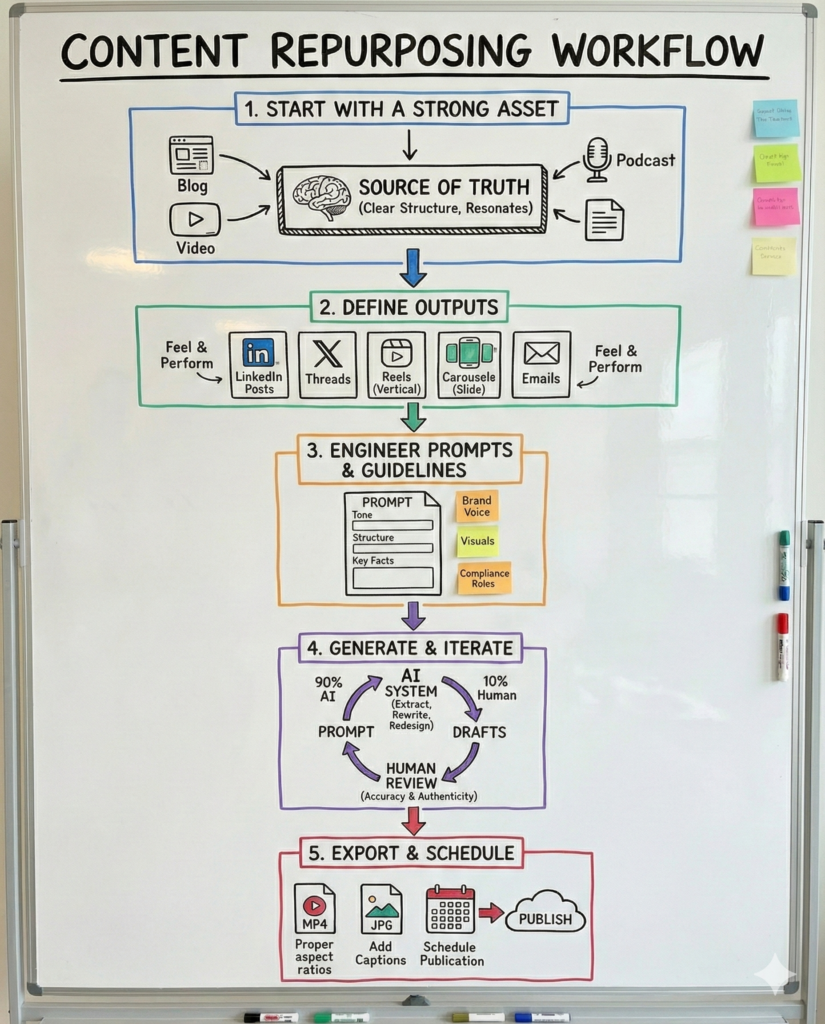
Step 1: Upload the Video
Start with your 10-minute YouTube video.
Upload it to either:
- Munch
- Dumme
Within minutes, the platform will generate:
- short video clips
- timestamps for highlights
- a transcript of the full video
That transcript becomes the foundation of your remix strategy.
Step 2: Identify the Valuable Segments
Now skim the transcript and look for moments that contain clear ideas.
These usually fall into three categories:
- actionable advice
- personal stories
- frameworks or processes
Each of these moments can become a separate piece of content.
In my test video, I found seven strong insight segments almost immediately.
Step 3: Convert Segments Into Blog Topics
Once you identify key insights, convert them into article ideas.
For example:
A video segment explaining AI productivity tools can easily turn into blog topics like:
- AI tools that save creators hours every week
- How AI editing tools help repurpose content
- A simple workflow for solo creators
- Why short-form video dominates social platforms
- Content repurposing strategies that work
Just like that, the video becomes five blog post ideas.
Step 4: Turn Insights Into LinkedIn Carousels
LinkedIn carousels work extremely well because they present ideas visually and quickly.
Each insight from your video can become a carousel.
For example:
A video section about content repurposing could become slides like:
Slide 1 – Hook
“Most creators waste 90% of their content.”
Slide 2
“One YouTube video contains dozens of ideas.”
Slide 3
“The Content Remix Strategy”
Slide 4
“How to extract blog posts and carousels”
Slide 5
“Tools that automate the process”
From just one idea, you now have a full LinkedIn carousel post.
Repeat the process and you quickly reach 10 carousel posts.
Example Breakdown: One Video → Fifteen Pieces of Content
Here’s what the final output might look like.
Video Topic: AI Tools for Creators
Converted into:
Five Blog Posts
- AI tools that save creators hours every week
- How AI editing tools simplify content repurposing
- A beginner’s workflow for content remixing
- Why short-form video dominates LinkedIn
- Content strategies for solo creators
Ten LinkedIn Carousels
- The Content Remix Framework
- 5 AI tools every creator should know
- Why most creators waste their best ideas
- How to repurpose long videos
- The creator productivity stack
- Content distribution mistakes
- YouTube ideas for LinkedIn
- AI editing workflow
- Creator marketing shortcuts
- Building authority through remixing
From a single recording, you suddenly have two weeks of content.
My Real Workflow Testing This System
When I first tested this approach, I wasn’t expecting much.
I uploaded a 10-minute productivity video to Dumme just to see how the transcript looked.
Within minutes I had:
- a clean transcript
- several highlight timestamps
- multiple short clips
From the transcript, I highlighted five ideas.
Then I expanded each idea into blog outlines.
The interesting part?
Writing those articles became dramatically easier because the ideas were already spoken naturally in the video.
And when I turned the same insights into LinkedIn carousel slides, engagement was noticeably higher.
People respond well to clear, simple insights extracted from real conversations.
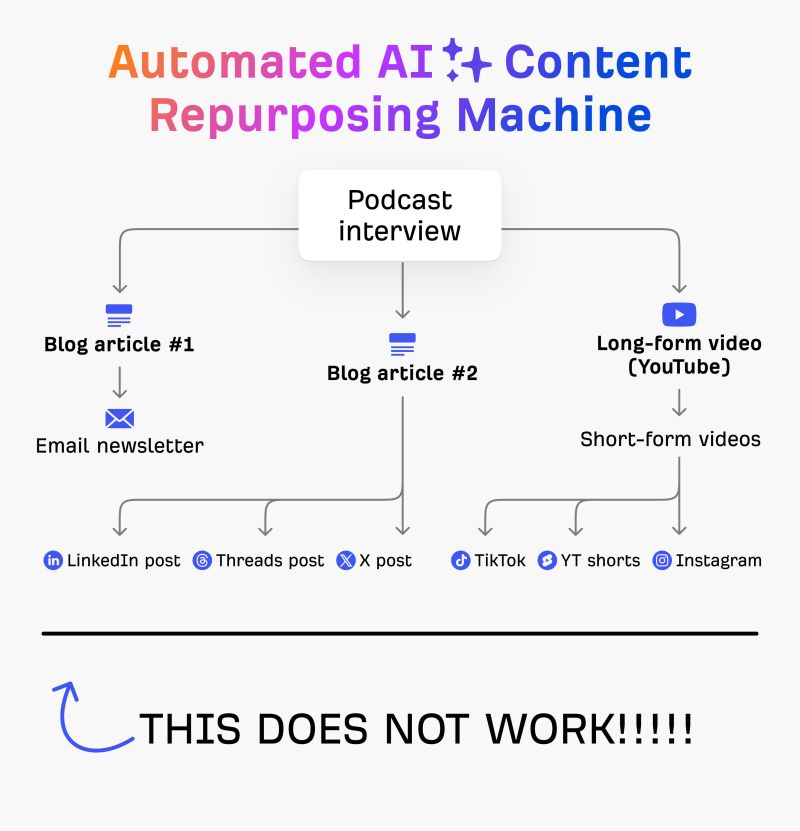
The Hidden SEO Advantage Most Creators Miss
Here’s something many creators overlook.
Remixed content creates multiple entry points for search traffic.
Instead of one piece of content, you now have:
- YouTube videos
- blog posts
- LinkedIn posts
- short video clips
Each one targets related keywords.
This builds topical authority around your subject.
Other SEO advantages include:
- more internal linking opportunities
- stronger keyword clusters
- more indexable pages
Search engines tend to reward websites that publish multiple related pieces of content around a topic.
The remix strategy naturally creates that structure.
Pro Tip
Extract the transcript before doing anything else.
Most creators jump straight into editing clips.
But the transcript is often the most valuable asset.
From that text alone you can generate:
- blog outlines
- social posts
- newsletter content
- carousel scripts
Treat the transcript like a content blueprint.
Common Mistakes When Repurposing Content
Not all repurposed content works well.
I’ve seen creators make a few predictable mistakes.
- Copying the video word-for-word into a blog post
- Ignoring storytelling moments
- Turning insights into overly long articles
- Forgetting to adapt content for each platform
Each platform has its own rhythm.
A blog post needs explanation.
A LinkedIn carousel needs clarity and speed.
Adapt the format while keeping the core idea intact.
Who Should Use the Content Remix Strategy?
This approach works particularly well for:
- YouTubers
- founders building personal brands
- SaaS marketers
- solopreneurs
- agency content teams
If you’re producing long-form content already, remixing allows you to multiply its impact without multiplying your workload.
Why One Video Should Never Stay Just a Video
Here’s the mindset shift that changed my content workflow.
A video isn’t just a video.
It’s a library of ideas waiting to be extracted.
When you start treating content this way, publishing becomes easier. Distribution becomes smarter. And your reach grows without burning out.
One recording.
Fifteen pieces of content.
That’s the power of The Content Remix Strategy.
